

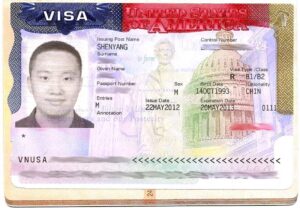
Planning your first trip to the United States is exciting. Whether you want to visit family, attend business meetings, or explore famous landmarks, you will need a B1/B2 visa. This guide will walk you through every step of the application process in simple, clear language.
What is a B1/B2 Visa?
The B1/B2 visa is a non-immigrant visa for short-term visits to the United States. The B1 category covers business travel, such as attending meetings, conferences, or signing contracts. The B2 category covers tourism, visiting family, or receiving medical treatment.
For Chinese citizens, this visa is usually valid for 10 years with multiple entries. Each visit allows you to stay for up to 180 days. However, you cannot work or study full-time on this visa.
Documents You Will Need
Before you start your application, gather these important documents:
Valid Passport: Your passport must be valid for at least 6 months beyond your planned arrival date in the US. If you have old passports with previous US visas, bring those too.
Passport Photo: You need a recent photo taken within the last 6 months. The photo must be 2×2 inches (51×51 mm) with a white background. You cannot wear glasses in your visa photo. The photo must show your full face clearly.
DS-160 Confirmation Page: This is the printout from your online application form. Keep this safe because you will need it at your interview.
Visa Fee Receipt: Proof that you paid the $185 USD application fee.
Supporting Documents: These prove your ties to China and your ability to pay for your trip. Include bank statements from the past 6 months, employment letters, property documents, and family certificates.
Step-by-Step Application Process
Step 1: Complete the DS-160 Form Online
The DS-160 is your official visa application form. You must complete it online at ceac.state.gov. This form takes about 60 to 90 minutes to finish. You will need to enter your personal information, travel history, work history, and answer security questions. All answers must be in English. When you finish, print the confirmation page with the barcode. This barcode is very important. Keep it safe.
Step 2: Pay the Visa Application Fee
The visa fee is $185 USD. You can pay at CITIC Bank branches across China, through online banking with a Chinese debit card, or through Alipay. After payment, you will receive a receipt. Keep this receipt because you need it to schedule your interview. The receipt is valid for one year from the payment date.
Step 3: Schedule Your Visa Interview
Create an account at ustraveldocs.com to schedule your interview. You can choose from five US consulate locations in China: Beijing, Shanghai, Guangzhou, Shenyang, and Wuhan. The US Consulate in Chengdu is permanently closed. Current wait times are about one month at most locations. Shenyang and Wuhan often have shorter wait times if you can travel there. Choose a date and time that works for you.
Step 4: Prepare for Your Interview
The interview is the most important part of your application. Most interviews last only 2 to 5 minutes, but you must be well prepared. The consular officer will ask about your travel plans, your job, your family, and why you will return to China. Answer honestly and keep your answers short and clear. Do not give long explanations unless asked. Bring all your documents organized in a folder so you can find them quickly if needed.
Step 5: Attend the Interview
Arrive at the consulate 15 to 30 minutes before your appointment time. Do not arrive too early. You cannot bring phones, laptops, food, or large bags into the building. Dress in smart, professional clothes. The officer will speak to you in English or Mandarin. Be polite, confident, and honest. If you do not understand a question, ask the officer to repeat it.
Step 6: Wait for Your Visa
If your visa is approved, the consulate will keep your passport to print the visa. This usually takes a few business days. You can pick up your passport at a CITIC Bank branch or have it delivered to you. Some applications need extra processing time called administrative processing. This can take several weeks or longer. You can check your application status online at ceac.state.gov using your DS-160 barcode number.
How to Prove Your Ties to China
The consular officer needs to believe you will return to China after your visit. This is very important. About 25% of Chinese applicants are denied because they cannot prove strong ties to their home country. Here are ways to show your ties:
Employment: A letter from your employer confirming your job, salary, and approved leave dates shows you have a reason to return.
Property: If you own a home or apartment in China, bring the property certificate. This shows you have roots in China.
Family: Married applicants with children in China have stronger ties. Bring your marriage certificate and your children’s birth certificates.
Financial Stability: Bank statements showing steady income and savings are important. Avoid making large deposits just before your interview. Officers can see this and may become suspicious.
Common Interview Questions
Be ready to answer questions like: What is the purpose of your trip? Where will you stay in the US? How long will you be there? What is your job? How much do you earn? Who is paying for your trip? Do you have family in the US? When did you last travel abroad? Practice your answers beforehand, but do not memorize scripts. Officers can tell when answers sound rehearsed.
Important Things to Remember
After you receive your 10-year B1/B2 visa, you must also register for EVUS (Electronic Visa Update System) before you travel. This is a separate requirement for Chinese citizens. EVUS registration costs $30 and must be renewed every two years. Without valid EVUS enrollment, you cannot board your flight to the US.
Recent policy changes in 2025 have ended interview waivers for most first-time applicants. This means almost everyone must attend an in-person interview. Children under 14 must also attend interviews now with at least one parent.
Why Some Applications Get Denied
The most common reason for denial is failing to prove you will return to China. Officers may also deny applications if your travel purpose is unclear, your documents are incomplete, your answers do not match your application form, or you have previously overstayed a visa. If your visa is denied, you can apply again. Wait a few months and gather stronger evidence before reapplying.
Get Expert Help with Your Application
The US visa application process can feel overwhelming, especially if this is your first time. While you can complete everything yourself using the steps above, many applicants find it helpful to get professional guidance.
iVisa.com is one of the most trusted visa service companies in the world. They specialize in helping applicants navigate complex visa processes. Their team can review your documents before you submit them, guide you through the DS-160 form step by step, help you prepare for your interview, and answer your questions through their customer support team.
Using a service like iVisa does not guarantee approval because only the US consulate makes that decision. However, having experts check your application can help you avoid common mistakes that lead to delays or denials. If you want peace of mind and professional support, visit ivisa.com to learn more about their services.
Final Tips for Success
Start your application early. Do not wait until the last minute because interview wait times can be long. Be completely honest on your application and during your interview. Lying or providing false documents will result in permanent visa ineligibility. Organize all your documents neatly. Practice speaking about your travel plans clearly and confidently. Stay calm during your interview. Remember that most applicants are approved.